
Meeting to discuss the development of regional centres for gender incongruence

Queer World, along with other queer organisations, was invited last week to a meeting with the directors of health in Norway to discuss the development of regional centres for gender incongruence. During this meeting, we had the opportunity to express what we think is important to take into account while the regional centres are further developed.

Here is a summary of the points we discussed:

  1. HKS (Health Centre for Gender and Sexuality, Oslo): We need to ensure that HKS remains safe and functioning well, despite the development of regional centres. We also see that our community needs access to HKS and the regional centres, regardless of age. Therefore, we want to ensure that adequate funding is provided to HKS to support them in expanding their services to people over the age of 30. 
  2. Non-binary people: We see that non-binary people are often left out of conversations about healthcare. We are concerned that some centres, such as NBTK (National Treatment Service for Gender Incongruence, or Riksen as it's often referred to in the trans community), don't really listen to us. They don't co-operate closely enough with the trans community, and some of their staff have participated in anti-trans events. This makes us doubt whether they really have our best interests in mind. We need transparency and accountability from places like this, especially when their staff are involved in events that go against trans rights. 
  3. We believe that healthcare decisions should be made based on what experts and compassionate people say, not because of politics or fear. We can't ignore politics completely, but the most important thing is to make sure that trans-specific healthcare is provided based on scientific knowledge and not politics. 
  4. Trauma-informed care: We need to ensure that regional gender incongruence centres are ready to support people who have experienced trauma, especially those with multiple minority identities such as transmigrants and refugees. Our health team's work with our members shows that many trans and non-binary people have experienced trauma because of how society treats them. These centres need to be able to help with this trauma and not let it stop people from getting the care they need. 
  5. Trans asylum seekers: We also want to make sure that asylum seekers can get gender affirming care quickly and easily, especially if they have already started treatment before coming to Norway. Being an asylum seeker should not mean that you lose access to healthcare.

In summary, you can say that you increase the chance of solving some of the problems transgender people face when dealing with the healthcare services

In summary, the creation of these regional centres offers a great chance to address some of the issues trans people face in getting healthcare. By ensuring they are inclusive, based on sound scientific knowledge and aware of the trauma many of us have experienced or are experiencing, we hope they can be places where trans people feel safe and supported.
Related content

You might also be interested in

2 voksne som smiler og ser inn i kameraet

Bli med på workshop om Skeive utenlandsadopterte på Pride House 22. juni kl 14 

Vi appellerer til partiene på Stortinget om å avvise KrFs forslag om å skrinlegge Bufdirs råd om møter med kjønnsmangfold...

KrFs forslag kan svekke alle minoriteters stilling i Norge

Vi appellerer til partiene på Stortinget om å avvise KrFs forslag om å skrinlegge Bufdirs råd om møter med kjønnsmangfold...

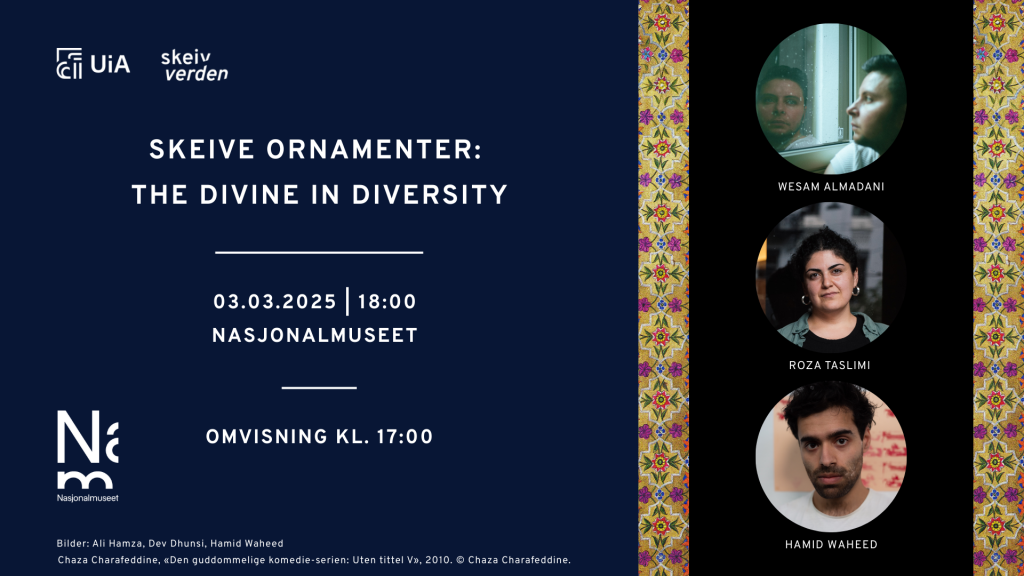
The Divine in Diversity: Skeive ornamenter

forbindelse med utstillingen Skeive ornamenter inviterer ​Skeiv Verden, Senter for Likestilling ved Universitetet i Agder og Nasjonalmuseet til en ledet...
en_GB