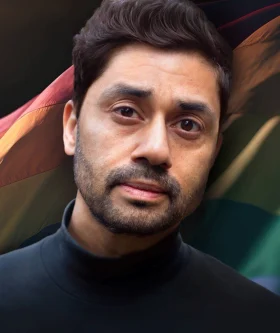

Noman Mubashir's story is a tale of resilience, courage and an unwavering determination to refuse to conform to expectations that sought to erase parts of his identity.
At Skeiv Verden's conference on intersectionality in autumn 2024, Mubashir captivated the audience with his journey as a Norwegian-Pakistani, Muslim, gay man, offering profound insights into what it means to navigate life at the intersection of multiple minority identities.
Growing up as part of the only Pakistani family in his neighborhood near Oslo, Mubashir was acutely aware of the role he was often cast in: an "ambassador" for his ethnicity and religion. From an early age, he fielded endless questions about his family's customs and traditions. These experiences, while shaping his understanding of his cultural identity, also underscored the weight of representing a community in a society that often viewed him as "other."
As a teenager, Mubashir’s self-awareness deepened as he came to terms with his sexual orientation. This realization marked the beginning of what he jokingly referred to as his career as “Oscar-worthy actor,” expertly concealing his true self in a time when Norwegian society offered few visible LGBTQ+ role models. The intersection of his religious background and sexual identity created deep internal conflicts, as being gay was considered a sin in his cultural and religious context. The isolation he felt during this period was profound, yet it also fueled his drive to seek understanding and reconciliation within himself.
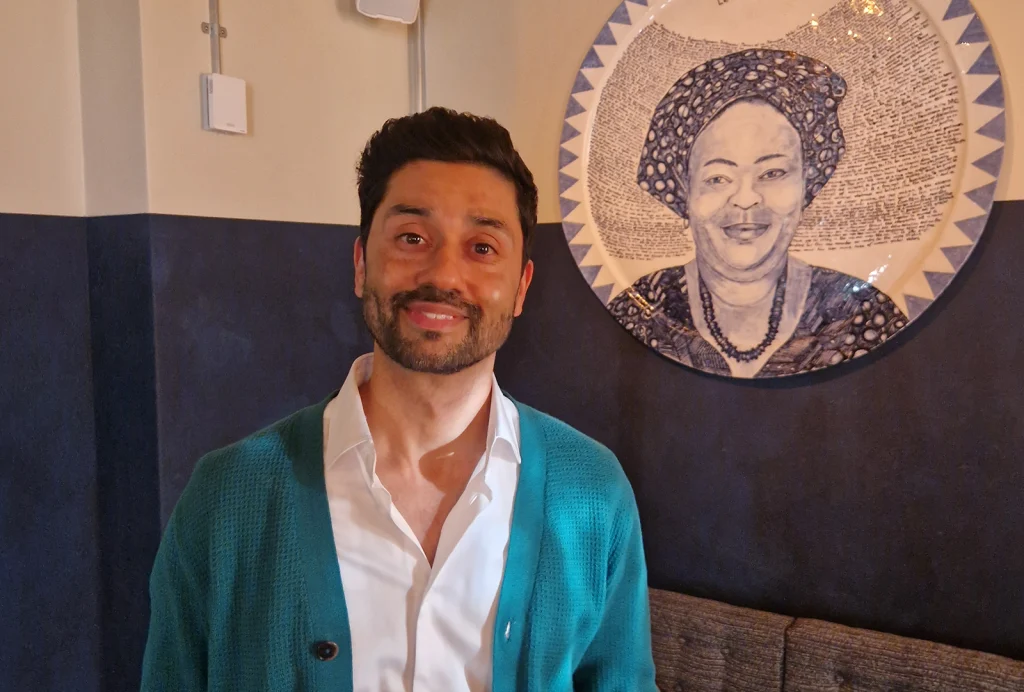
Mubashir didn’t just stop at grappling with his personal challenges; he used them as a lens to understand the broader struggles faced by his generation of Norwegian-Pakistanis. His talk highlighted the dual pressures to excel as "perfect Norwegians" while preserving cultural roots. He reflected on the evolving stereotypes associated with his community, from early associations with gang activity to the present day’s focus on professional success.
A pivotal moment in Mubashir’s journey was the creation of his documentary series, which included an emotional return to his childhood neighborhood. This visit, meant to capture the external changes in the area, instead unearthed deeply buried emotions about his past. The documentary has since become a powerful educational tool in Norwegian schools, fostering understanding and acceptance among young audiences.
I wouldn't give up any of my identities!
Throughout his talk, Mubashir emphasized the importance of embracing all facets of one’s identity. When asked if he would shed one of his identities to simplify his life, his response was unequivocal: “no.” He firmly believes that being Norwegian, Pakistani, Muslim, and gay are not conflicting pieces to be managed but integral elements that make him who he is.
Mubashir's story is both a testament to personal resilience and a call to create a more inclusive society. He recognised the progress that has been made in Norway for LGBTQ+ rights, but warned against complacency, stressing that freedom and equality must be actively protected and nurtured. “Progress doesn’t mean the fight is over,” he reminded the audience.
One of the most inspiring aspects of Mubashir’s work is his commitment to reaching younger generations. By visiting schools and sharing his story, he provides hope and representation to those navigating their own complex identities. His experiences highlight not only how far Norwegian society has come but also the work that remains in ensuring no one has to choose between the facets of who they are.
Noman Mubashir’s journey is a powerful reminder that strength lies in embracing our complexities, and his advocacy continues to light the way for others. For anyone who has ever felt like they don’t fit in, his story is a testament that there is power in being true to oneself, and that change starts with understanding and acceptance.
Noman opens the conference with an introduction to the topic. Throughout his career at NRK, Mubashir has been involved in the debate on integration, racism, homophobia, diversity and Islam. This year saw the release of Mubashir's most personal series of his career: "Easy to Hate". A documentary series in which Noman talks about life as a triple minority (Norwegian Pakistani, Muslim and gay) and the hatred he and others experience.